
 Written by:
 Pancreatitis is a condition in which the pancreas becomes swollen and inflamed. The pancreas is a small but important organ involved in digestion and hormone production. Pancreatitis is a painful condition that requires prompt treatment. The symptoms vary from mild to severe and are non-specific, meaning there are many other conditions with the same symptoms. While most dogs make a full recovery from pancreatitis, some develop recurring flare-ups, known as chronic pancreatitis.

What is Pancreatitis in Dogs?
The pancreas is a small organ that sits next to the stomach and has several important functions. It produces digestive enzymes to break down food and hormones to regulate metabolism. One important hormone produced by the pancreas is insulin, which keeps blood sugar levels stable.
The word ‘pancreatitis’ means ‘inflammation of the pancreas’. So pancreatitis is a condition where the pancreas becomes inflamed (swollen and sore). As you can imagine, it is a very painful condition!
What Causes Pancreatitis in Dogs?
The exact cause of pancreatitis in dogs is usually unknown. However, there are some risk factors for pancreatitis, such as:
- Eating fatty foods (either from scavenging, or from too many fatty treats, such as cheese or sausages!)
- Being overweight
- Recent surgery
- Severe trauma to the abdomen (such as being in a road traffic accident)
- Certain metabolic diseases (such as Cushing’s)
- Certain drugs (such as those for epilepsy)
These can all increase the risk of pancreatitis.
Pancreatitis is most common in middle-aged to older dogs, but it can happen at any age. Any breed of dog can develop pancreatitis. However, Cocker Spaniels, Terriers, Daschunds, Miniature Schnauzers, and Poodles are more prone to the condition.
Pancreatitis can either be acute, meaning it comes on suddenly with quite dramatic symptoms, or chronic, meaning dogs suffer from repeated bouts of pancreatitis.
Pancreatitis Symptoms: Signs You Should Not Ignore
Pancreatitis can cause a wide range of symptoms, ranging from mild to very severe. Unfortunately, this can make it hard for owners to spot! So, here are the signs to watch out for:
- Vomiting
- Reduced or no appetite
- Lethargy (drowsiness, or not themselves)
- Diarrhea
- Stomach ache
- Fever.
Stomach ache can be hard to spot in dogs, since they can’t tell you where it hurts! You may notice your dog seeming restless or unable to settle. They may adopt the ‘praying position’. This involves stretching their front legs out, with their head lowered to the floor and their bottom in the air, as if they are praying.
Some dogs may have all of these symptoms, whereas others may only have one or two. Some dogs may have only mild signs, whereas others may show dramatic symptoms. If your dog is showing any signs of pancreatitis, you should book an appointment with their veterinarian. The sooner treatment is started, the better.
How Veterinarians Diagnose Pancreatitis
Your veterinarian will start by taking a history (asking you some general questions) and asking about your pet’s symptoms; then they will examine your dog. Based on these findings, they may be suspicious of pancreatitis. However, because many other conditions can present similarly, your vet will need to run some further tests.
Initial tests include blood work and abdominal imaging. Routine blood tests are used to rule out other conditions, and the results may also suggest pancreatitis. A specific blood test called ‘canine pancreatic lipase’ can be used to support a diagnosis of pancreatitis.
Your vet may suggest X-rays or an abdominal ultrasound. In some cases, it’s important to rule out other conditions, such as a foreign body. A ‘foreign body’ means a dog has eaten something that has become stuck in the stomach or intestine, causing a blockage.
An ultrasound can support a diagnosis of pancreatitis, since the pancreas would appear large and inflamed. Your vet would also look for possible complications of pancreatitis (such as a blocked bile duct).
If your vet diagnoses pancreatitis, treatment will depend on the severity of the signs.
Treatment for Pancreatitis in Dogs
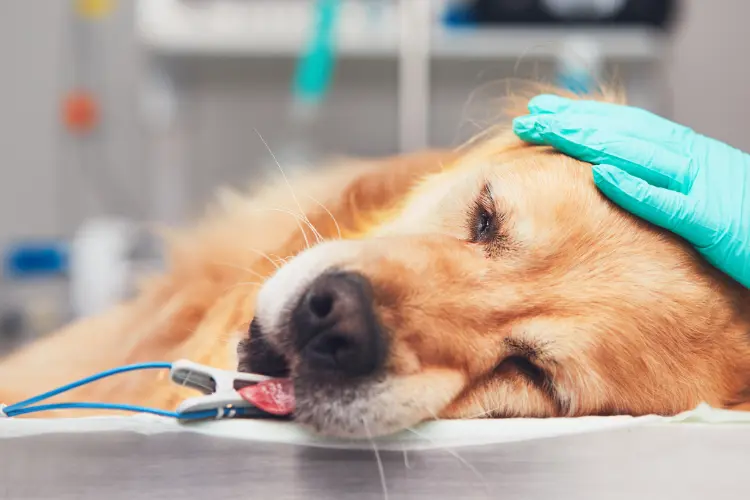
Although very mild cases of pancreatitis can be treated at home, most patients will need to be hospitalized. Dogs with very severe pancreatitis would need intensive care.
There is no ‘cure’ for pancreatitis, so the treatment is supportive. This means your vet will treat the symptoms and prevent secondary complications, while allowing the pancreas time to recover. Supportive treatment for pancreatitis usually involves an intravenous fluid drip, pain relief, and anti-nausea medications.
Dogs with pancreatitis need to receive good-quality, appropriate nutrition while they recover. This involves eating a highly digestible, low-fat diet, little and often. Unfortunately, this is often difficult, since dogs with pancreatitis often have a poor (or no) appetite. In these situations, your vet may need to place a feeding tube directly into the stomach to provide the nutrition your pet needs while they recover.
Recovery Time
Luckily, with appropriate treatment, most dogs with pancreatitis make a full recovery. Recovery time is difficult to predict because it depends on the severity of your dog’s signs and overall health. Most dogs will need a few days in the hospital; some longer. Sadly, very severe cases can be fatal, especially if treatment is delayed.
Unfortunately, some dogs go on to suffer with recurring bouts (or ‘flare-ups’) of pancreatitis throughout their life, so the condition becomes chronic. In very rare cases, the pancreas can become so severely damaged that the dog develops diabetes or exocrine pancreatic insufficiency (EPI), in which the pancreas cannot produce enough digestive enzymes.
How to Prevent Future Flare-Ups
If your dog suffers from chronic pancreatitis, they will need ongoing management to try to reduce the risk of flare-ups. While you can never completely prevent pancreatitis, there are steps you can take to reduce the risk. Keeping your dog at a healthy weight is important, since overweight dogs are more prone to pancreatitis.
Feeding a low-fat diet plays a really important role in the long-term management of dogs prone to pancreatitis. This includes feeding only low-fat treats, such as plain chicken (if your dog is not allergic to it).
Diet for Dogs with Pancreatitis
Part of the treatment for acute pancreatitis involves feeding an easily digestible, low-fat diet. Diet recommendations are similar for dogs who develop chronic pancreatitis.
There are other key diet considerations, including fat content. Let’s look at the key components of a diet for dogs with pancreatitis:
- Fat: Studies have shown that high-fat diets worsen pancreatitis, so low-fat diets are recommended for dogs with both acute and chronic pancreatitis. Low-fat diets may also speed the movement of food through the stomach, which can help improve appetite.
- Energy: Dogs with acute pancreatitis need enough energy from their diet to recover. Long-term, it’s also important that dogs with chronic pancreatitis meet their recommended daily energy intake. If they don’t, protein breakdown and synthesis in the body change, which is not good for the pancreas.
- Protein: The products of protein digestion stimulate the pancreas to secrete enzymes in dogs. So, while the diet needs to provide enough protein for recovery and tissue repair, it should not be too high in protein.
Your vet will advise you on the best diet for your dog with pancreatitis. This will usually be a prescription diet, as many ‘off-the-shelf’ low-fat diets still contain too much fat. If your dog has had only one bout of pancreatitis, they may be able to return to their usual diet once they have fully recovered (only if your vet advises you to!). However, if they have chronic pancreatitis, they will need to be on a special diet long-term. If your dog has multiple medical conditions, then your vet will advise you on the best diet to balance the nutritional needs of all their conditions.
Luckily, most dogs with pancreatitis make a full recovery. However, some dogs go on to develop chronic pancreatitis and need long-term management. While you can’t prevent flare-ups completely, keeping your dog slim, fit, and on a high-quality, low-fat diet can help reduce flare-ups. It’s important to ask your vet which diet is best for your dog’s unique case.
Pancreatitis can be a very serious condition, and can even be fatal. If your dog shows any signs of pancreatitis, the sooner you see a vet, the better.
Does your dog help you overcome anxiety or depression?
Get your ESA letter in 3 easy steps, so your dog can live with you as an emotional support animal.


Leave a Comment