
 Written by:
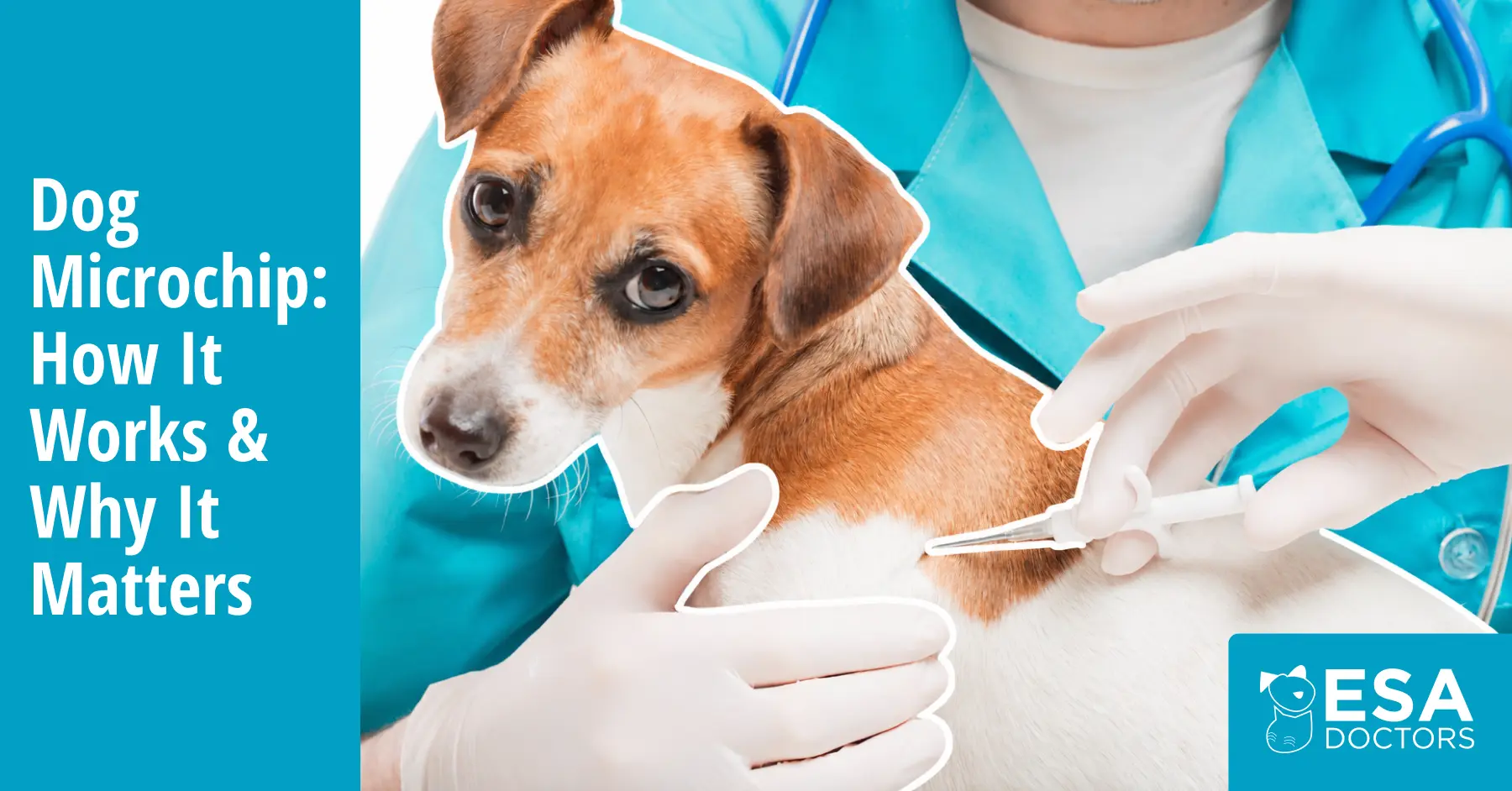
 A microchip is a tiny device that is implanted under your dog’s skin, usually between their shoulder blades. When scanned, it displays a unique number linked to your contact details in a central database. It’s considered safe and easy to implant a dog microchip. A microchip enables your pet to be returned to you quickly and safely, should they become lost.
What is a dog microchip and how does it work?
A microchip is a tiny transponder (electronic chip) that is inserted under your dog’s skin, between their shoulder blades. It’s around the size of a grain of rice. When a scanner is passed over the area to detect the microchip, a number appears on the scanner. This microchip number is unique to your dog. The microchip number is linked to your contact details on a secure database.
A microchip does not contain a battery and is not a GPS system, so you can’t use it to track your dog. Your dog’s microchip is designed to last their entire life.
Why is a microchip important?
It allows you to reunite with your pet if they get lost! A microchip is an important form of identification that can’t fall off or get lost, unlike a collar and tag.
A veterinary clinic, rescue shelter or animal control could scan your dog to check for a microchip, should your dog become lost. They would then be able to look up your contact details on the database, ensuring that you are quickly reunited with your pet!
In fact, a study published by the American Veterinary Medical Association showed that microchipped dogs handed in to an animal shelter are far more likely to be reunited with their owners than dogs without a chip. The study concludes that microchips are a valuable means of permanent pet identification.
Importantly, microchipping is a legal requirement in some areas and countries. It is also a requirement if you wish to travel with your dog.
Microchipping does not replace the need for a collar, ID tag, or rabies tag! These are still valuable and a legal requirement in some places. In the event that your dog loses their tags or collar, the microchip is there as a permanent identification tool.
What to Expect at the Microchip Appointment
A veterinarian can implant a microchip at any time, but it is often done during your dog’s first vaccination visit or when your dog is under anesthesia for neutering.
Your veterinarian will insert the implanting device (a sterile, hollow needle holding the microchip) under your dog’s skin between their shoulder blades. Once in place, they press on the implanter to release the microchip, and then remove the implanting device. It is a quick procedure much like giving an injection, but with a slightly larger needle. No anesthesia or sedation is needed (unless your dog is very scared or aggressive at the vet’s, which is very rare).
Dog Microchip Risks
Microchipping a dog is quick, simple and relatively painless. Many dogs don’t notice it any more than a routine shot (especially when enjoying some treats at the same time!).
There are no real side effects of dog microchips. However, it’s possible for the area to become a little inflamed and sore, or infected (although this is rare). The microchip can migrate, meaning that it moves from under the skin between the shoulder blades to under the skin elsewhere on the body. This is not a common occurrence.
Research to date has not shown any causal link between cancer and microchips.
Every now and then a microchip may fail. Luckily, this is rare! Even so, it’s a good idea to ask your veterinarian to check that your dog’s microchip is working ok when you visit, for peace of mind. If your vet can’t detect the chip, they will scan your dog’s entire body to check the chip hasn’t migrated. They may try a different scanner. If they still can’t find it and the chip has stopped working, they will suggest implanting a new chip.
So, we’ve established that microchipping is considered a pretty safe procedure for your dog, but you may have concerns about your personal details. Well, no data is stored on the chip itself. Your contact details are stored only in a secure database.
Even if someone looks up your pet’s microchip on the Microchip Registry Lookup, they can only see which company database holds your information. They will not be able to see your contact details without contacting the relevant database. You also control which information the database holds, and your communication preferences.
How much does it cost to microchip a dog?
The cost of microchipping your dog will depend on your area and provider. As a guide, it typically costs around $25-$85 all-inclusive (including the actual chip, implantation, and initial registration). Some veterinary clinics discount the chip when bought alongside other services, as part of a package.
Microchip Registration
You must register your pet’s microchip and keep your details up to date, otherwise, the microchip is useless! If you change your telephone number or move, you must update your details with the database. Otherwise you will not be contactable should your pet get lost.
After your vet has implanted the microchip, you will need to fill in the microchip registration form. Your vet will provide a link for you to fill this out online. You will register an account when you do so. If your details change in the future, you will need to log in to the database and update your information. There may be a charge for updating your details. If you rehome, or are rehoming, a pet, you will need to make sure the microchip database is updated to the new owner.
Microchip lookup
If you find a lost dog, you can take it to your nearest veterinary clinic to have it checked for a microchip. It’s always a good idea to ring ahead first, to check they are open and that someone is available to help.
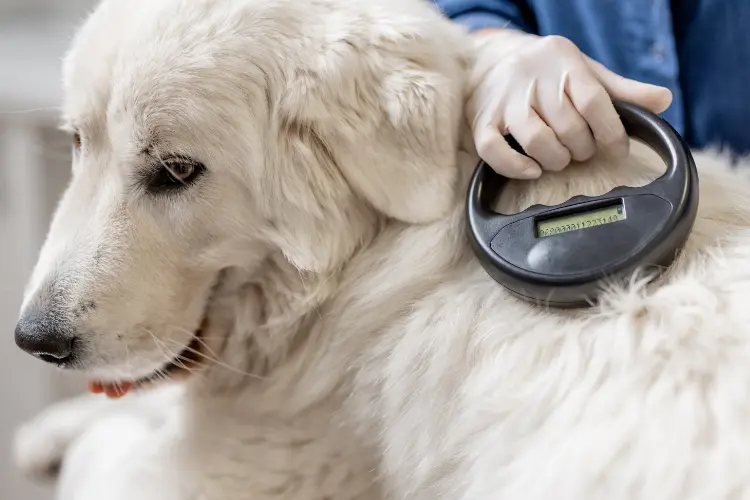
If the dog has a microchip, the scanner will show their unique microchip number. This can be used to contact the relevant database and then the owner, facilitating the safe return of their pet!
Microchips, in Short
A microchip is a tiny device that sits under the skin. They are easy to implant, and no anesthesia is needed. Microchips are generally considered safe for dogs.
When read with a scanner, the microchip displays a unique number, enabling the scanner to contact the relevant database for your contact details. So, a microchip enables your pet to be returned to you quickly and safely, should they become lost.
Most importantly, the microchip is only effective if you register it straight away and update the database whenever any of your details change.


Leave a Comment