
 Written by:
 Heatstroke is a serious, rapidly progressing, potentially life-threatening condition in dogs. Prevention is better than cure, so extra caution is needed when temperatures reach around 68°F (20°C) and above. You shouldn’t walk your dog in temperatures over 77–80°F (25–37°C), or if you can’t comfortably hold the back of your hand on the ground for 5 seconds. If you suspect your dog has heatstroke, you need to cool them as quickly as possible and get them to a vet!
When is it too hot to walk your dog?
What’s the safest temperature range for exercise in dogs? Well, there is no magic number here, unfortunately. Safe temperatures will depend on your dog’s breed, age, and overall health.
- As a general rule, the risk of heatstroke increases at 68°F (19–20°C) and above, so take extra care in these temperatures.
- All dogs are at risk of life-threatening heat stroke in temperatures of around 77–80°F (25–27°C) and above, so you should never walk your dog in these temperatures.
- However, some dogs (especially brachycephalic breeds) are at risk in temperatures as low as 60°F (16°C). So these are only guidelines; every dog is unique.
When deciding whether it’s too hot to walk your dog, consider the ground temperature. Hold the back of your hand on the ground for 5 seconds. If it’s too hot to comfortably hold your hand there, it’s too hot for your dog’s paws! This applies to all surfaces, including artificial grass.
Why do dogs overheat?
For various reasons, dogs are at greater risk of heatstroke than humans. Dogs can’t sweat like we do, since they only have a few sweat glands on their paws and nose. Instead, they mainly pant to cool down. As the temperature (and especially the humidity) rises, panting becomes less effective. This means they aren’t as good at regulating their body temperature as we are.
Some dogs are at greater risk of heatstroke than others, including:
- brachycephalic (flat-faced) breeds (such as French Bulldogs)
- dogs with underlying health conditions (such as upper airway, lung, or heart disease)
- overweight dogs
- thick-coated dogs
- Geriatrics
- puppies.
However, it’s important to note that any dog can suffer from heatstroke.
Signs of Heatstroke in Dogs
Here are the signs of heatstroke in dogs to watch out for:
- panting
- drooling
- agitation or restlessness
- fast heart rate
- bright red gums or tongue
- sickness
- diarrhoea
- lethargy (reduced energy)
- ataxia (wobbly when walking)
- shaking
- confusion
- collapse
- seizures
Heatstroke progresses rapidly, so it’s crucial to act quickly if your dog shows any signs. Heatstroke becomes more serious the longer it is left untreated, leading to seizures, organ damage, coma, or even death.
First Aid for Heatstroke in Dogs
If your dog is suffering from heatstroke, you need to cool them down as quickly as possible. The longer your dog’s body temperature remains too high, the more damage occurs.
Here are the 4 steps you should take if your dog is suffering from heat stroke:
- Move them somewhere cool, such as an air-conditioned room or a shady spot.
- Quickly cool your dog down using one of the following methods:
- Cold Water Immersion
This involves plunging them into fresh cold water, such as a bath or paddling pool, so they are completely covered except for their head. Cold water immersion is a good option for young, otherwise healthy dogs. - Evaporative cooling
This involves placing them somewhere with airflow (such as next to a fan, air conditioning unit, or a breeze) while pouring cold water over them. You could use a hosepipe to achieve this. Remember to run the hosepipe through first, since the water sitting in the hosepipe can reach very high temperatures on hot days.
- Cold Water Immersion
- Encourage your dog to keep sipping cold water if they can.
- Get them to the nearest vet! Ideally, call them to let them know you are on your way so that they can be prepared.
While some of the older advice is still circulating, this is the most up-to-date, scientifically backed first aid for dogs with heat stroke.
‘Wet then Vet’ is a simple way to remember what you should do, following advice from the Royal Veterinary College.
How To Stay Safe in the Heat
Prevention is definitely better than cure when it comes to heat stroke! Here are our top tips for keeping your dog safe in the heat.
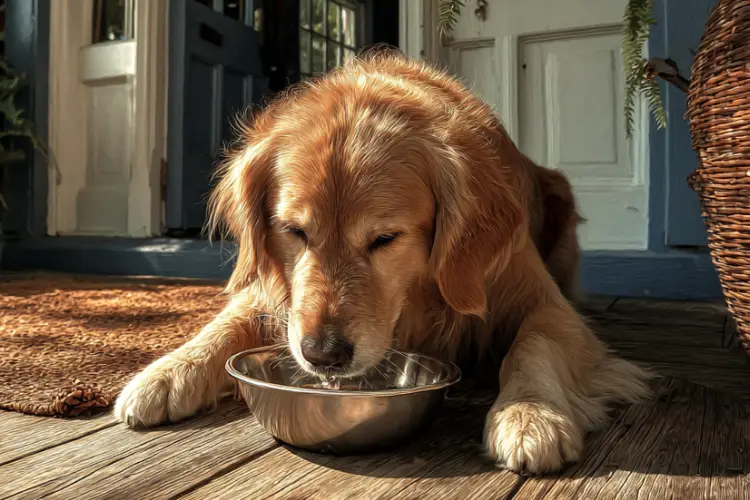
- Ensure your dog has access to fresh water and cool, shady areas at all times.
This applies both inside and outside the home. Keeping your dog slim and regularly groomed will also help to reduce the risk of overheating. - Only walk your dog when it’s cool, so early morning or late evening.
Choose shady routes, and avoid areas with hot surfaces, such as pavements or artificial grass. Take a portable water bottle and bowl so that you can offer regular drinks. Take it slowly, a gentle potter for a ‘sniff about’ is much safer than a run or a ball game in warm weather. - On very hot days, don’t walk your dog at all!
Your dog won’t die from missing a walk, but they could from heatstroke. Just take them out for short toilet breaks in the shade. On days when it’s too hot to walk, consider safer alternatives for keeping your dog entertained, such as playing games indoors. Puzzle feeders can help too! - Never leave your dog in a car in warm or hot weather! Dogs do die in hot cars. Temperatures rise rapidly in stationary cars, so there is no safe time limit for leaving them. The temperature can rapidly increase in moving cars, too! If you must travel, be sure to factor plenty of breaks, fresh water, and shade into your journey.
Some dogs can suffer from heatstroke even in mild heat, so know your dog and plan your days around their needs.
What To Remember in the Heat of the Moment
It’s better to be safe than sorry! If you aren’t sure if it’s too hot to walk your dog, don’t risk it.
As soon as you notice even mild signs of overheating, act fast to cool them down; it could save their life. Cool your dog using cold water immersion or evaporative cooling, then take them to your nearest vet as quickly as possible.

Leave a Comment