
 Written by:
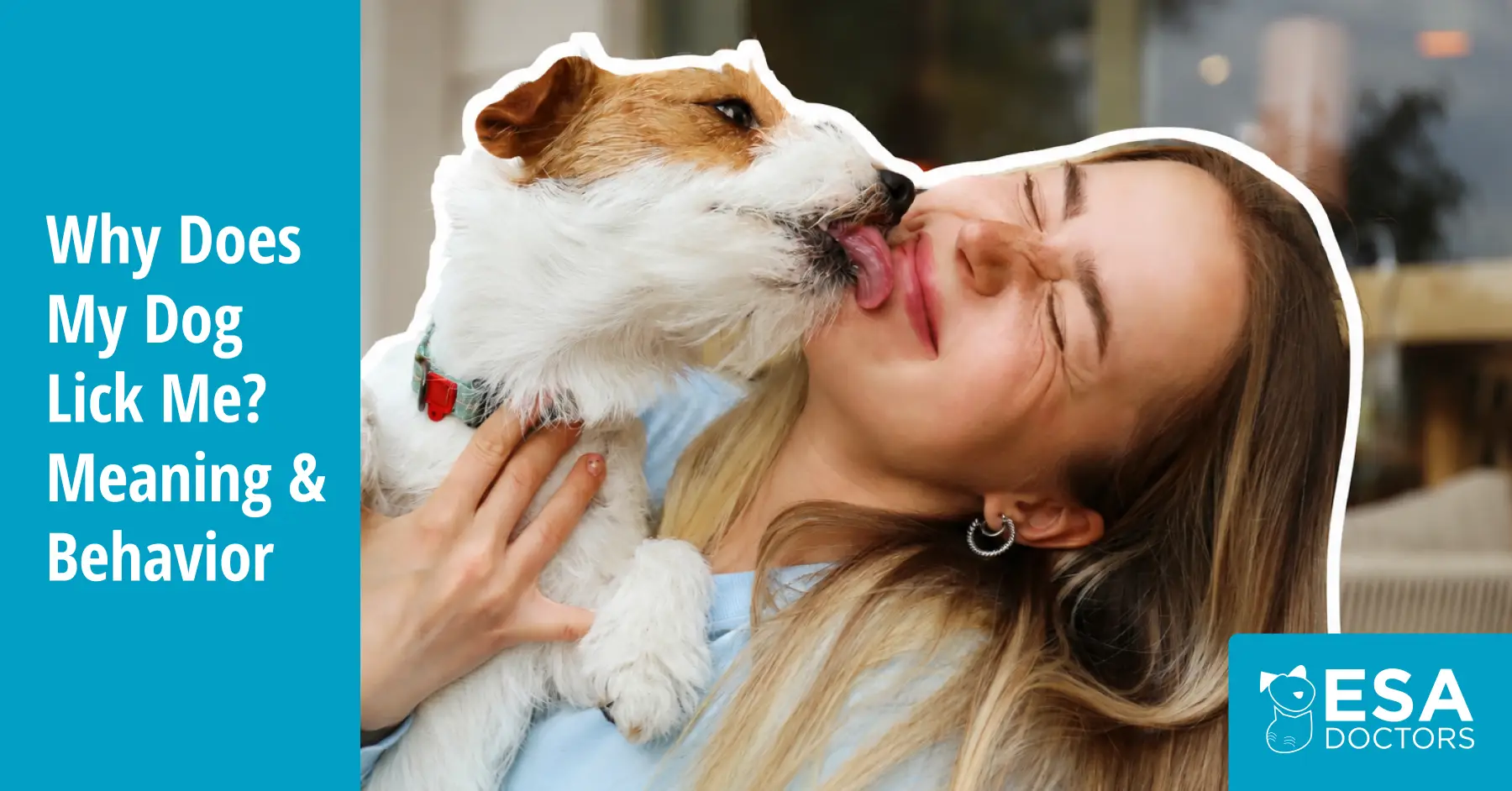
 Licking is a natural behavior for dogs. Dogs may lick humans for various reasons: out of instinct, curiosity, or to strengthen your bond. Whatever the reason, dog licking may become an issue if it is excessive or unwanted! If your dog is licking excessively, there may be an underlying medical issue. If you simply don’t enjoy it, we’ve included some tips for stopping your dog from licking you!
Why do dogs lick?
Licking is a natural, innate behavior for dogs. In fact, there are several reasons why dogs lick each other. Wolf pups in the wild will lick their Mother’s mouth and muzzle when she returns from hunting, to stimulate her to regurgitate food for them to eat! Puppies may do the same, out of ancestral habit.
Similarly, licking plays an important role in a puppy’s life. The mother dog will lick her puppies to clean them, soothe them, and stimulate toileting before they can do so themselves.
Dogs will lick themselves and other dogs for various reasons. For example, they lick to investigate their surroundings, show submission or appeasement, groom each other, and self-soothe. So, what about when your dog licks you?
What it means when a dog licks you
Of course, only your dog knows for sure why they are licking you! There are many possible reasons, and it will depend on the circumstances and your dog’s temperament. Here are some possible reasons for your dog licking you:
Instinct
Much like wolf pups, puppies may lick their Mums as a request for food, for comfort or attention, to show appeasement or for affection. Mutual grooming also strengthens social bonds within a pack. So, this behavior may transfer to their human owner when a puppy moves to a new home. Many owners see this as a sign of affection and respond positively. This positive reinforcement often means the behavior continues into adulthood.
So your dog may be showing you affection, seeking your attention, trying to strengthen your bond, or seeking mutual comfort!
Appeasement
Licking is an innate, natural behavior for dogs! Dogs are naturally submissive animals, and (appropriate) licking is seen as a positive social behavior. In a pack of dogs, submissive dogs will lick the leaders (or more dominant pack members) at the corners of their mouths. Pet dogs may use licking as a sign of submission or appeasement too.
Curiosity
Dogs are curious creatures and constantly seek information about the world around them and their environment. They rely heavily on their sense of smell, but they also seek sensory input (investigate) using their mouths and tongues.
Taste
Many dogs are very food-oriented! Because our sweat naturally tastes salty, dogs tend to enjoy it.
Dogs are often drawn to licking areas of our body with stronger smells, such as our hands, feet and faces. Our hands and feet often smell of deliciously scented hand lotions or washes, which may appeal to our canine friends. Of course, our face may smell of the meal we recently ate!
Soothing
Dogs will lick to self-soothe. Licking releases endorphins (feel-good hormones and neuropeptides) and neurotransmitters (dopamine). These act as natural stress relievers and regulate mood, giving a sense of calm and satisfaction.
Dogs also lick wounds to soothe the pain and try to clean the wound. You may even notice them doing the same to you if you have a cut or a graze. It’s important to note that (contrary to popular belief) a dog’s mouth is not sterile. It’s not a good idea to let your dog excessively lick a wound, as this is more likely to result in an infection!
In fact, dogs with pain anywhere may lick the area to soothe the discomfort. For example, arthritic dogs will often lick a sore joint.
If your dog is licking you when you are sad, stressed or unwell, your dog may be showing empathy. While this may simply be a learned behavior, it’s also possible (and much nicer to think) that your dog is trying to soothe you!
Play
When your dog licks your feet, you may squeal or wriggle. If so, your dog will quickly learn this is a fun game! Even if you only react by offering affection in return, this positive reinforcement will encourage the behavior more.
Benefits of dog licking
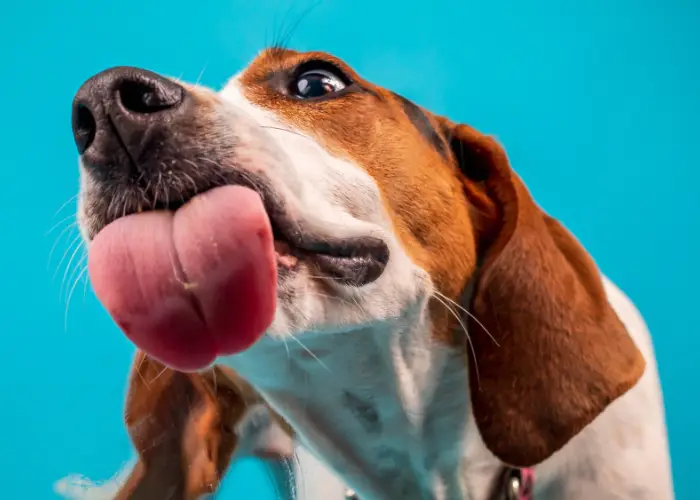
Canine companionship has been shown to lower blood pressure and improve mood and well-being. In fact, many service dogs are trained to do just that! It’s also why many hospitals have visiting therapy dogs. Being licked by a dog may soothe, calm, or distract you if you are feeling low or anxious.
So, licking is a natural, normal behavior for dogs. A dog’s licking only becomes problematic when it’s excessive or unwanted by the human receiving it.
What does it mean if a dog licks excessively?
If your dog licks you or surfaces around them excessively, it can indicate an issue. Your dog may be stressed and showing repetitive compulsive behavior. They may be anxious and seeking sensory input. They may also be bored!
Excessive licking usually indicates an underlying medical issue, such as pain or itchy skin (for example, due to allergies). Gastrointestinal issues such as acid reflux can also cause a dog to lick excessively.
Should I let my dog lick me?
Dogs like to eat all sorts of things, including dog or fox poo. They also lick their privates and bottom when they groom. So, naturally, hygiene is a concern!
Diseases and parasites can transfer from dogs to humans, known as zoonotic diseases. While the overall occurrence of zoonotic disease caused by people’s pets is low, this may be due to underdiagnosis. Many present with flu-like symptoms, so doctors often don’t investigate the cause. In a study, 50% of owners allowed their dogs to lick their faces, which naturally increases the risk!
Whether or not you let your dog lick you is a personal choice. Whatever you decide, it’s always sensible to practice good hygiene and wash your hands or face afterward. You should also be more cautious if your dog is raw-fed, or if you are immunocompromised.
Of course, some people just don’t like to be licked! So, let’s take a look at how to stop your dog from licking you (or other people!)
How to stop a dog from licking you
If you don’t like your dog licking you, never punish them or react angrily. This is likely to cause anxiety, which may exacerbate the behavior. Instead, try ignoring them and moving away. This will break the cycle of positive reinforcement, and your dog should get bored of trying to interact in this way. If that doesn’t work, try distracting them with a treat or a puzzle toy.
Be consistent; if you sometimes let your dog lick you but not other times, this sends confusing messages!
If you don’t want your dog licking you, you can redirect this natural behavior elsewhere. Lick mats with dog-safe peanut butter or dog pastes are a great way to allow your dog to enjoy licking safely, without bothering anyone.
Ensuring your dog gets enough exercise and stimulation (both mental and physical) will help reduce anxiety- or boredom-related licking. Walks, agility, scent training, and puzzle toys are all great ways to do this. Remember that enough sleep is important too! Adult dogs actually need a lot more sleep than you’d think (14 – 18 hours per 24 hours).
If your dog is licking excessively, or more than usual, you must rule out medical causes before addressing the behavior. Whether they’re licking you, surfaces, or themselves excessively, book a check-up with their veterinarian. If they rule out medical causes, they may then refer you to a veterinary behaviorist.
There are many reasons why your dog may lick you, and many of these are positive! They show the strength of your bond and trust. However, dogs can also lick due to anxiety, boredom, or pain. So, if your dog is licking excessively, take them for a check-up with your veterinarian.
Does your dog help you overcome anxiety or depression?
Get your ESA letter in 3 easy steps, so your dog can live with you as an emotional support animal.


Leave a Comment